
Treatment for Arterial Disease in Melbourne & Palm Bay, FL
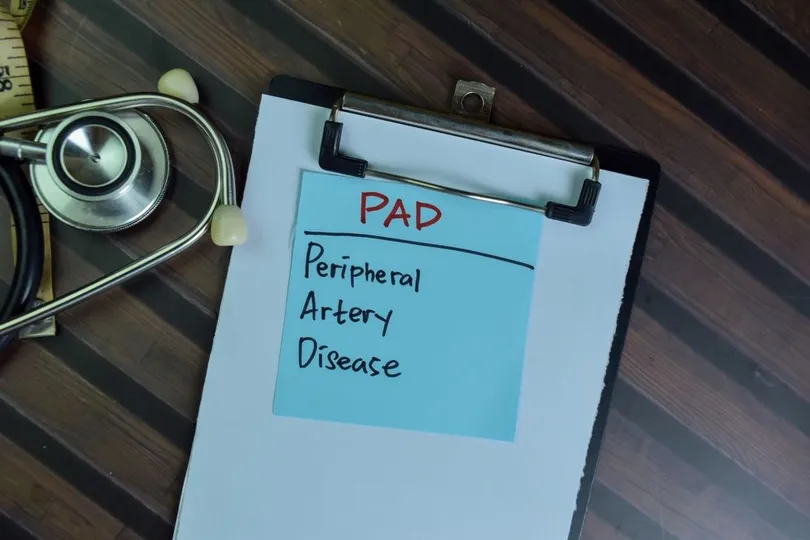
Arterial disease, often referred to as peripheral artery disease (PAD), is a condition that affects the arteries responsible for carrying oxygen-rich blood from the heart to the rest of the body. When the arteries become narrowed or blocked due to plaque buildup (atherosclerosis), blood flow to the extremities, most commonly the legs, is reduced. Arterial disease can lead to pain, difficulty walking, and serious complications if left untreated. It’s important to seek help for this disease and start treatment immediately to avoid complications.
Understanding Arterial Disease
The primary cause of arterial disease is atherosclerosis, a process where fatty deposits (plaque) build up in the walls of arteries, making them narrow and stiff. Some factors can contribute to the development of arterial disease, such as:
- Smoking
- Diabetes
- High blood pressure
- High cholesterol
- Family history
The symptoms of arterial disease often develop slowly and may be subtle in the early stages. However, the reduced blood flow can lead to more noticeable and severe symptoms as the condition progresses. Common symptoms include:
- Leg pain
- Numbness or weakness
- Poor wound healing
- Discoloration
- Weakened pulse in the legs
It’s crucial to treat arterial disease and prevent further complications from developing. Quitting smoking, managing diabetes, controlling blood pressure, and adopting a heart-healthy diet are essential steps in slowing the progression of arterial disease. Regular exercise, such as walking, can also help improve circulation. Depending on the severity of the disease, medications may be prescribed to reduce cholesterol levels, manage blood pressure, or prevent blood clots.
If lifestyle changes and medications aren’t enough, minimally invasive procedures or surgery may be needed.
Contact Our Vein Specialist Today
Find out how you can deal with arterial disease! Contact Dr. Peter Dovgan at Space Coast Vascular in Melbourne, FL, and serving Palm Bay, FL, at
(321) 751-2707
to learn more about arterial disease and how it could affect you.
